How Rug Pulls Work: Types, Warning Signs, and Checks
Learn how rug pulls work, from liquidity pulls and developer dumps to mint authority abuse, frozen tokens, and honeypots, with a practical pre-buy checklist.
On this page
Disclosure: QuantBase is made by the team behind memecoin.buzz.
Risk: Most meme coins go to zero. Not financial advice.
A meme coin can have a busy chat, an energetic chart, and a developer answering questions—and still leave buyers unable to sell. The useful question is not just whether a project looks convincing. It is what the people behind it can actually control.
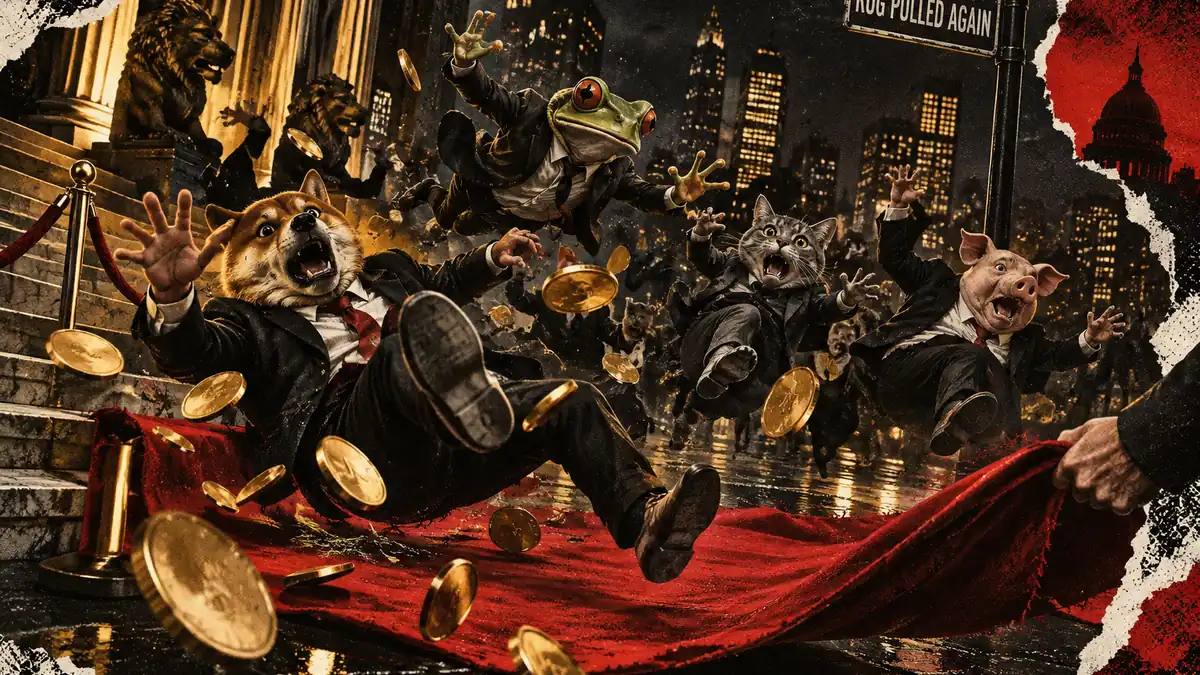
A rug pull involves exploiting that control to take value from other participants. The mechanism might involve withdrawing liquidity, selling a concealed stash, creating more tokens, or blocking holders from moving them.
These mechanisms leave different clues. Here is how to separate them and turn the warning signs into a repeatable pre-buy checklist.
What makes something a rug pull?
A rug pull is a form of exit scam: something presented as a legitimate project becomes a way for its operators to take participants’ money. The broader exit-scam definition centers on deception and the originator leaving with contributed funds.
That distinction matters. A falling chart alone does not establish fraud. Neither does an unpopular developer decision. To understand a suspected rug pull, look for a mechanism and supporting evidence: what control existed, who used it, and what happened to the assets?
Separate three questions:
- Control: Who can change supply, restrict transfers, or withdraw assets?
- Ownership: Who holds tokens that could be sold?
- Exit: Can ordinary holders actually exchange their tokens?
A convincing website answers none of those questions by itself. They require checking the token and its trading setup, rather than treating presentation as evidence.
Liquidity pulls and developer dumps are different
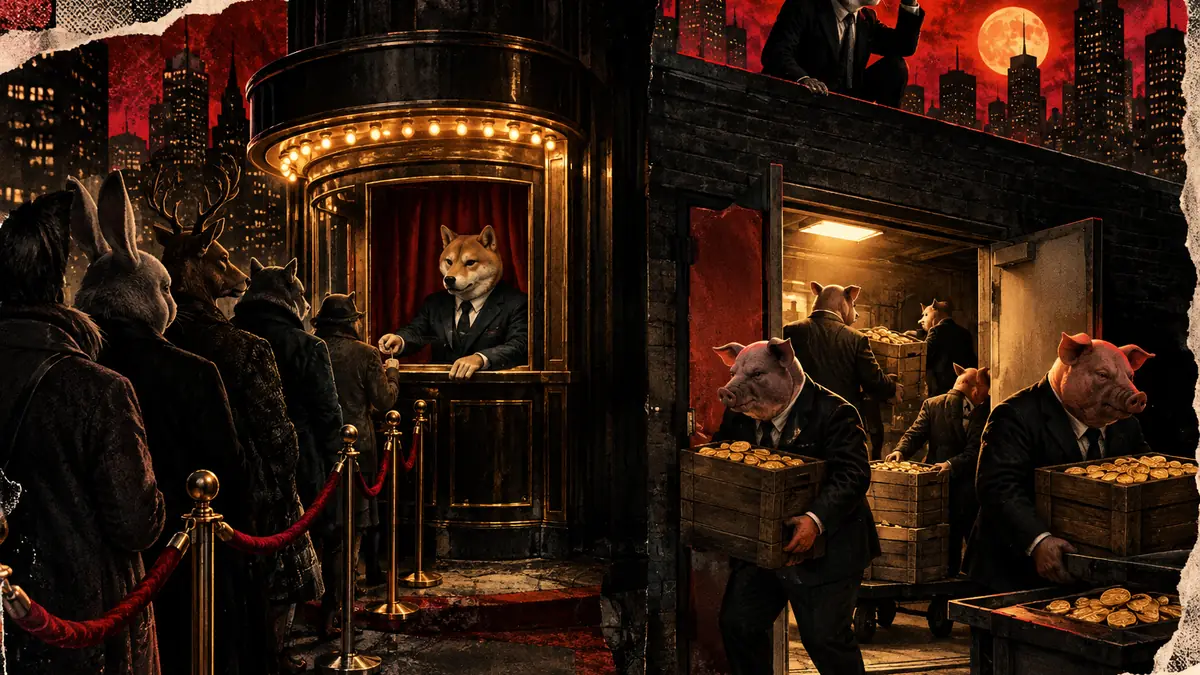
Liquidity pull: removing the trading inventory
A liquidity pool holds assets that traders exchange against. For example, a token paired with SOL needs inventory for swaps. A liquidity pull means someone with withdrawal control removes assets from that pool, undermining the route other holders expected to use.
The important question is not merely whether liquidity exists now. It is who can remove it, under what conditions, and what evidence supports any claim that withdrawals are restricted.
Our liquidity-pool explainer covers the basic mechanics. For a particular token, identify its actual trading arrangement rather than assuming every launch uses the same pool structure or permissions.
Developer dump: selling the stash
A developer dump works through token ownership rather than pool-withdrawal control. A creator or associated holder sells tokens they already hold into available buying interest. That is different from withdrawing the pool itself.
Selling alone does not prove an exit scam. Relevant questions include whether holdings were represented honestly and whether buyers were misled about who controlled the supply. A chart cannot answer those questions on its own.
This distinction explains why a narrow security claim can be misleading. A restriction on withdrawing liquidity does not describe a creator’s token holdings. Each control needs its own check.
Mint authority and freeze authority: separate powers
On Solana, an authority is a permission to perform a particular action. Mint authority and freeze authority sound similar, but they create different possibilities for abuse.
Mint authority changes supply
Mint authority is the power to create additional tokens. If that permission remains active, whoever controls it can increase the supply.
BONKbot’s mint-authority documentation describes how a creator can abuse this power by issuing additional tokens and selling them. This differs from selling a stash that already existed: the stash itself can grow.
The practical check is whether mint authority remains active and, if so, who controls it. A statement about fixed supply should match the token’s actual permissions, not just its promotional description.
Freeze authority restricts movement
Freeze authority allows its holder to freeze token accounts, preventing affected holders from transferring or selling that token. It does not mean the holder’s entire wallet, including unrelated assets, has been frozen.
BONKbot’s freeze-authority guide explains an especially confusing feature: other people may continue trading while an affected account cannot sell. A busy transaction feed therefore does not establish that every holder has the same ability to exit.
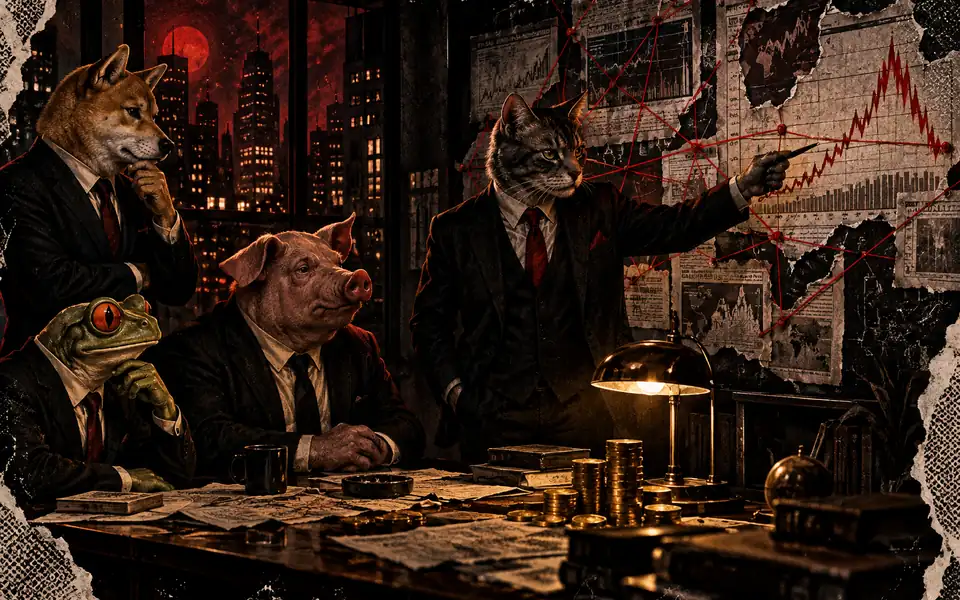
These permissions deserve separate checklist entries. Disabling mint authority does not answer whether freeze authority exists, and checking either permission does not explain token ownership. See our mint and freeze authority guide for a closer comparison.
Honeypots: a purchase is not proof of an exit
A honeypot token lets someone acquire tokens while preventing or restricting their ability to sell them. The defining problem is the blocked exit, not a particular chart shape.
Freeze-authority abuse can create this kind of trap on Solana, as BONKbot’s documentation describes. Seeing successful purchases is not enough: buying and selling are different actions, and an affected account may face restrictions that others do not.
Even observing someone else’s successful sale does not establish that your account will remain unrestricted. The useful investigation concerns permissions and account status, not simply whether the feed contains sell transactions.
A failed sale is also a symptom to investigate, not a complete diagnosis. Calling every failed transaction a honeypot skips the work of finding the cause. Record the error and distinguish a token-account restriction from an unexplained trading failure.
Our honeypot explainer focuses on that buy-versus-sell distinction. The central question is straightforward: what evidence supports the assumption that an ordinary holder can exit?
A practical pre-buy checklist
Use the same questions each time. Consistency makes it easier to notice missing information instead of inventing an explanation because the chart looks exciting.
- Identify the exact token. Record the token address being examined. Keep claims, screenshots, and permission checks tied to that address rather than relying on a name or ticker.
- Check mint authority. Record whether additional tokens can be created and who holds that permission. Compare the result with any claims about supply.
- Check freeze authority. Record whether an authority can freeze token accounts. Do not treat trading activity elsewhere as proof that your account cannot be restricted.
- Separate liquidity control from token ownership. Ask who can withdraw pool assets and who holds tokens that could be sold. Evidence about one does not settle the other.
- Investigate the exit mechanism. Check what supports the ability to sell. Treat unresolved restrictions or unexplained failures as unanswered questions, not details to wave away.
- Check the people and links making the claims. Verify identities through independently located sources. Keep private keys and seed phrases out of chats, forms, and support conversations.
For each item, write a short result: verified, unresolved, or contradicted. Add the evidence and when you checked it. That produces a useful record without pretending the checklist is a security rating.
Be specific about what was verified. Confirming that mint authority is disabled supports that finding—not a broader conclusion about liquidity, ownership, or honesty. An unresolved item should remain visible rather than quietly turning into an assumption.
Social checks belong beside technical checks, not in place of them. The FTC’s cryptocurrency-scam guidance highlights unexpected approaches, fabricated endorsements, profit promises, and big claims without supporting explanations.
BONKbot’s scam guidance also describes impersonators, fake bots, and attempts to obtain private keys or seed phrases. A supposed support account can become a separate attack while you are investigating the token itself.
Practice the process without confusing it with proof
A checklist is most useful when it changes the questions you ask. Popularity becomes a prompt to inspect permissions, not a substitute for doing so. A developer’s statement about protected liquidity becomes a claim to verify against withdrawal control.
Paper trading—testing rules without real funds—can help rehearse a consistent decision process. It is not proof that a token is safe, and a simulated result is not evidence that a real token account would be able to sell.
To practice a rules-based approach, test an idea on paper with QuantBase. QuantBase is a meme-coin trading app for Solana pump.fun coins; today it runs your rules on paper, with live trading coming soon. Paper trading is free with 150 credits per month and uses no real funds, so QuantBase holds none of your money.
The traders’ community is on Telegram. Keep the same evidence standard in any community: a confident answer is still a claim until its supporting details can be checked.
FAQ
Is every sharp price drop a rug pull?
No. A price chart shows trading behavior, not intent or the full sequence of actions behind it. Identifying a rug pull requires evidence of deception and the mechanism used to take value.
Does disabled mint authority make a token safe?
It addresses whether additional tokens can be created through that permission. It does not answer who owns existing tokens, who controls liquidity, or whether freeze authority remains active.
Can freeze authority affect only my token account?
Yes, an affected token account can be frozen while other people continue trading. BONKbot’s documentation explains that the restriction concerns that token account, rather than every asset in your wallet.
Does a successful buy rule out a honeypot?
No. A honeypot concerns restrictions on selling, so completing a purchase does not establish an available exit. Someone else’s sale also does not settle whether your account can be restricted.
What if a support account offers to fix frozen tokens?
Do not share a private key or seed phrase. Verify the support identity independently, especially after an unsolicited message. Keep the token address and error details as evidence rather than sending credentials to someone promising a repair.
Sources
- Exit scam / rug pull (Wikipedia)
- BONKbot: mint authority
- BONKbot: freeze authority
- What to know about cryptocurrency and scams (FTC)
- BONKbot: avoiding scams
Written with AI assistance and checked by automatic gates: every number must trace to a source above, and quotes are short. Spot an error? Tell us in Telegram.